


Dominican Republic
Learn Spanish in Dominican Republic
Learning Spanish abroad means joining the 570 million Spanish speakers worldwide and gaining unprecedented access to the 20 countries that speak Spanish natively. Learning Spanish in the Dominican Republic will allow you to learn this useful language in a tropical island, alive with music, food, and culture. The Dominican Republic (not unlike the Spanish language itself) is a country filled with energy and passion that will make for a unique learning experience during your language programme abroad.
Learning Spanish in the Dominican Republic will give you the opportunity to dance merengue and experience carnival before returning to the classroom and learning the language behind it all. Throughout your stay, you will be able to take advantage of the natural beauty throughout the country, from the waterfalls and jungles outside of the cities to the colourful reefs under the waves! Study Spanish in the Dominican Republic and embrace all the energy and beauty that both the language and country have to offer!
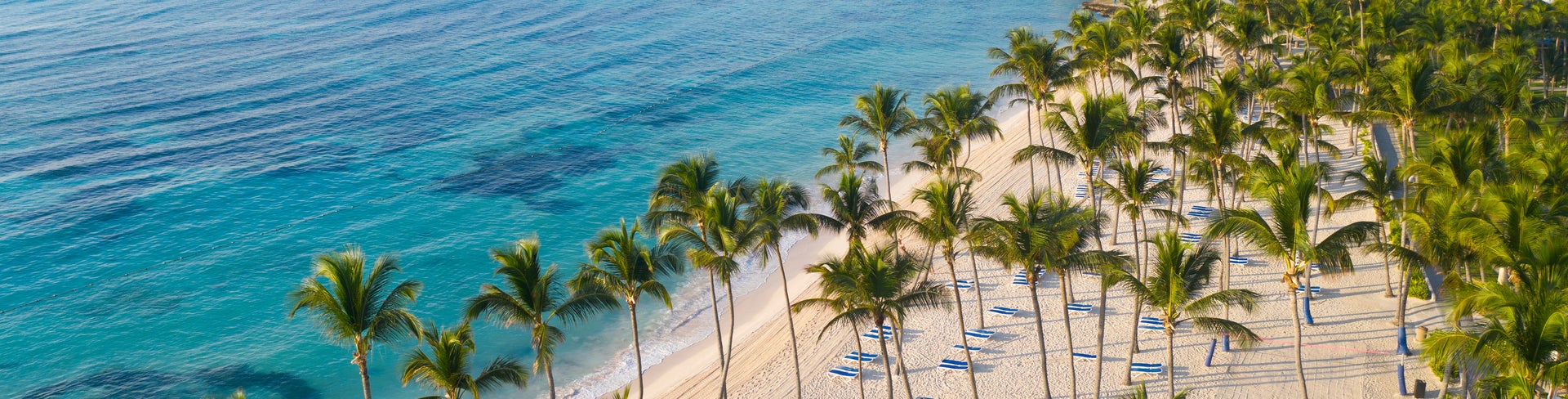
It’s easy to see why the Dominican Republic has become one of the most popular tourist destinations in the Caribbean. The D.R. boasts bountiful sunshine and a gorgeous coastline. Stretch out on a lounge chair next to the pool, take a morning stroll on a deserted beach or try any of the wide variety of activities available. Don’t miss your chance to explore the Dominican Republic off the beaten path – its peaceful fields, traditional fishing villages and unspoiled mountain ranges will captivate you.
Let our experts help you decide - our advice is free & without obligation!